
Define the main areas
Identify entrances, patios, lawn areas, planting beds and the places where you would like to spend more time outdoors.
Before reaching out, consider how you want to use your outdoor space.
Plan your garden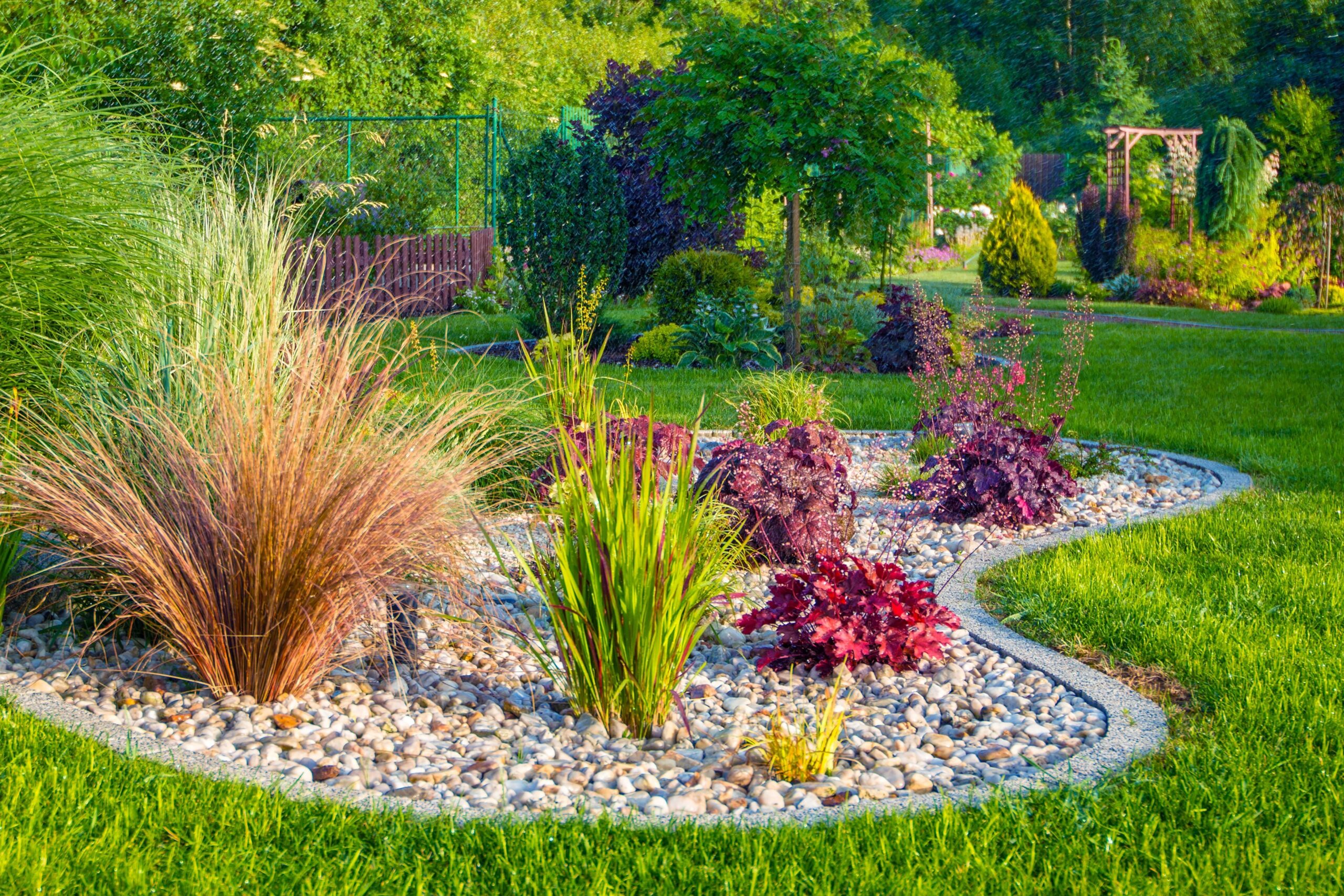
Landscape and garden design
Tell us about your garden, the way you live outdoors and the atmosphere you would like to create. We use your priorities, site conditions and planting preferences to help shape a thoughtful landscape design.
Direct line: +1 (323) 377-3937
Begin with your outdoor priorities
A clear picture of your space, preferences and everyday needs creates a stronger starting point for a considered garden design.
Identify entrances, patios, lawn areas, planting beds and the places where you would like to spend more time outdoors.
Share your preferred foliage, colors, textures and the balance between open space and lush greenery.
Tell us about sunlight, shade, slopes, drainage and any existing trees or features you would like to retain.
Use your priorities to guide the layout, planting structure and practical details of the proposed landscape.
Explore the design approach that best fits your garden, preferred level of detail and plans for using the landscape.
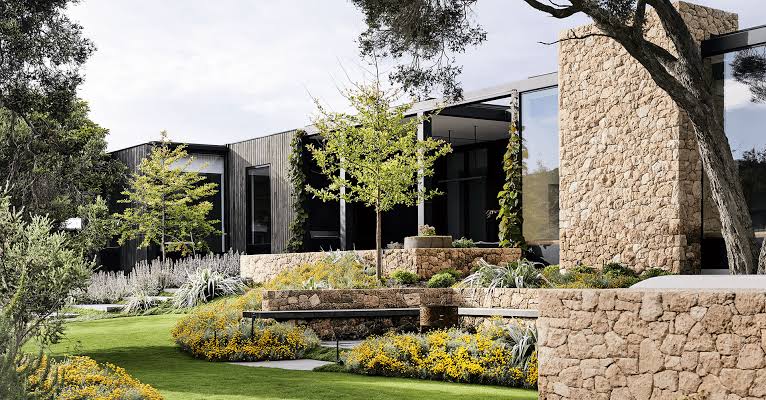
Thoughtful layouts for outdoor living, balanced planting schemes and garden areas that complement your home.
Explore garden design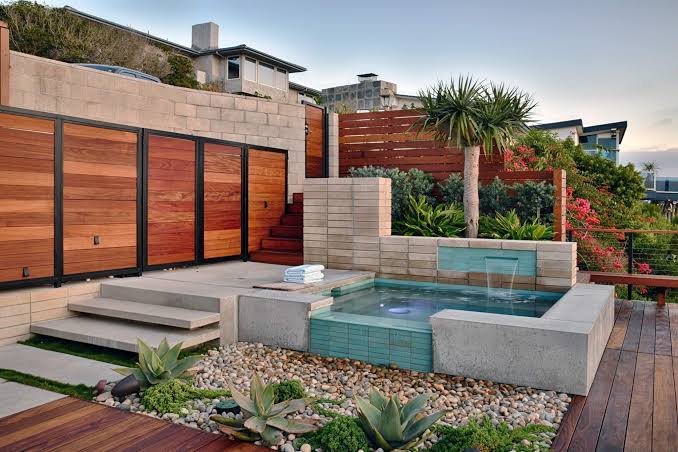
A considered combination of plants, textures and defined garden features to bring coherence to an existing space.
Explore planting plans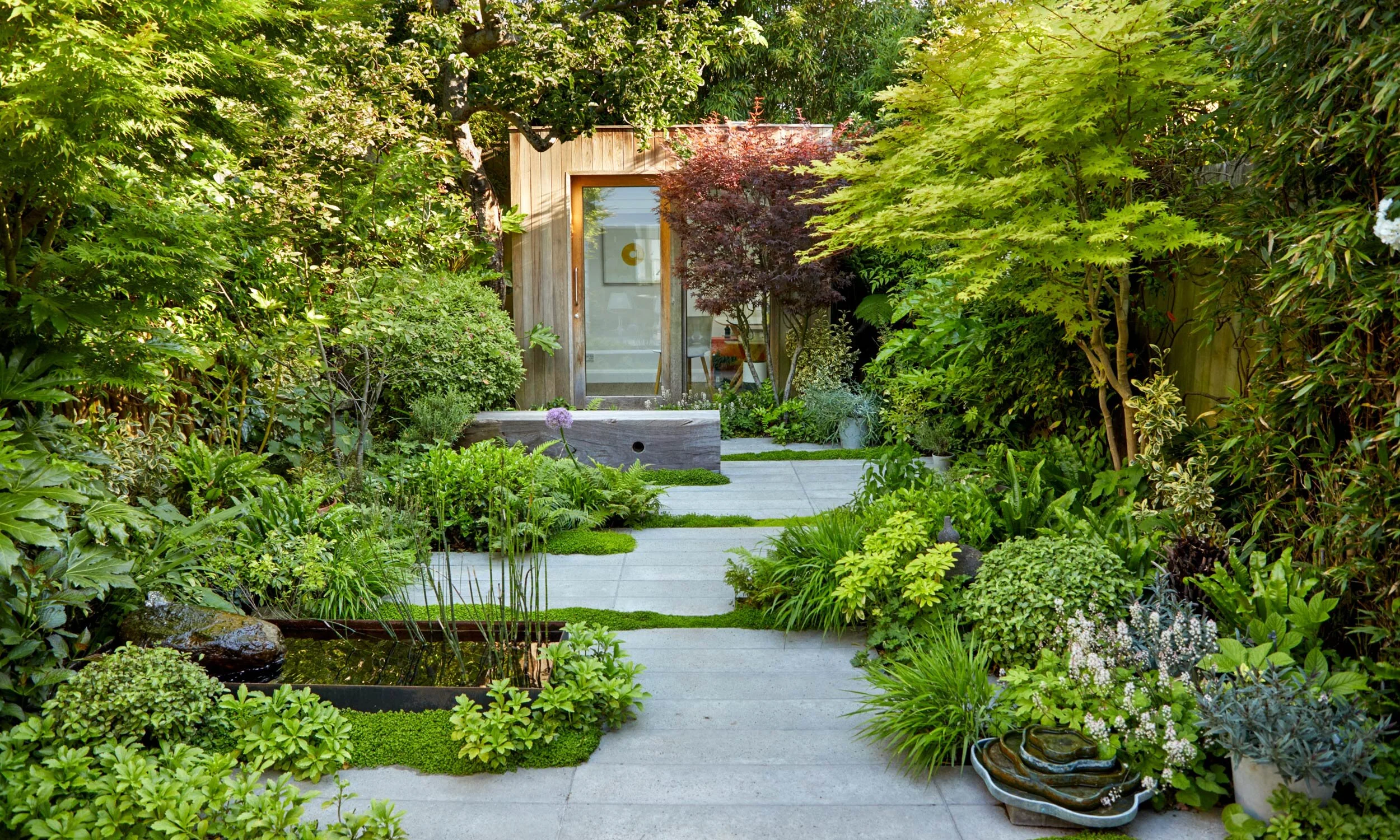
Practical arrangements for paths, seating areas, transitions and the way different parts of your garden work together.
Explore outdoor planning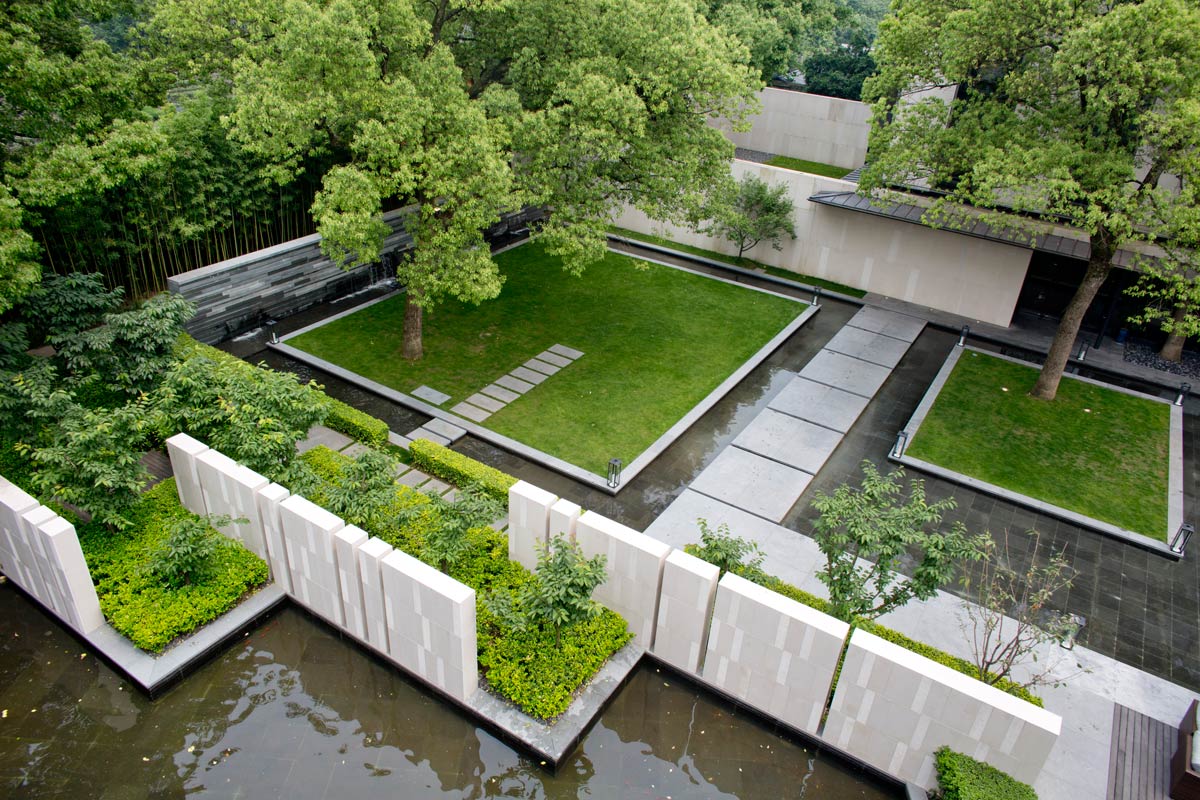
Design with each area in mind
A planting bed, a garden path and an outdoor seating area serve different purposes. A successful landscape brings these elements together through considered proportions, practical connections and a consistent planting language.
Combine foliage, form, height and seasonal interest to create depth and a cohesive garden composition.
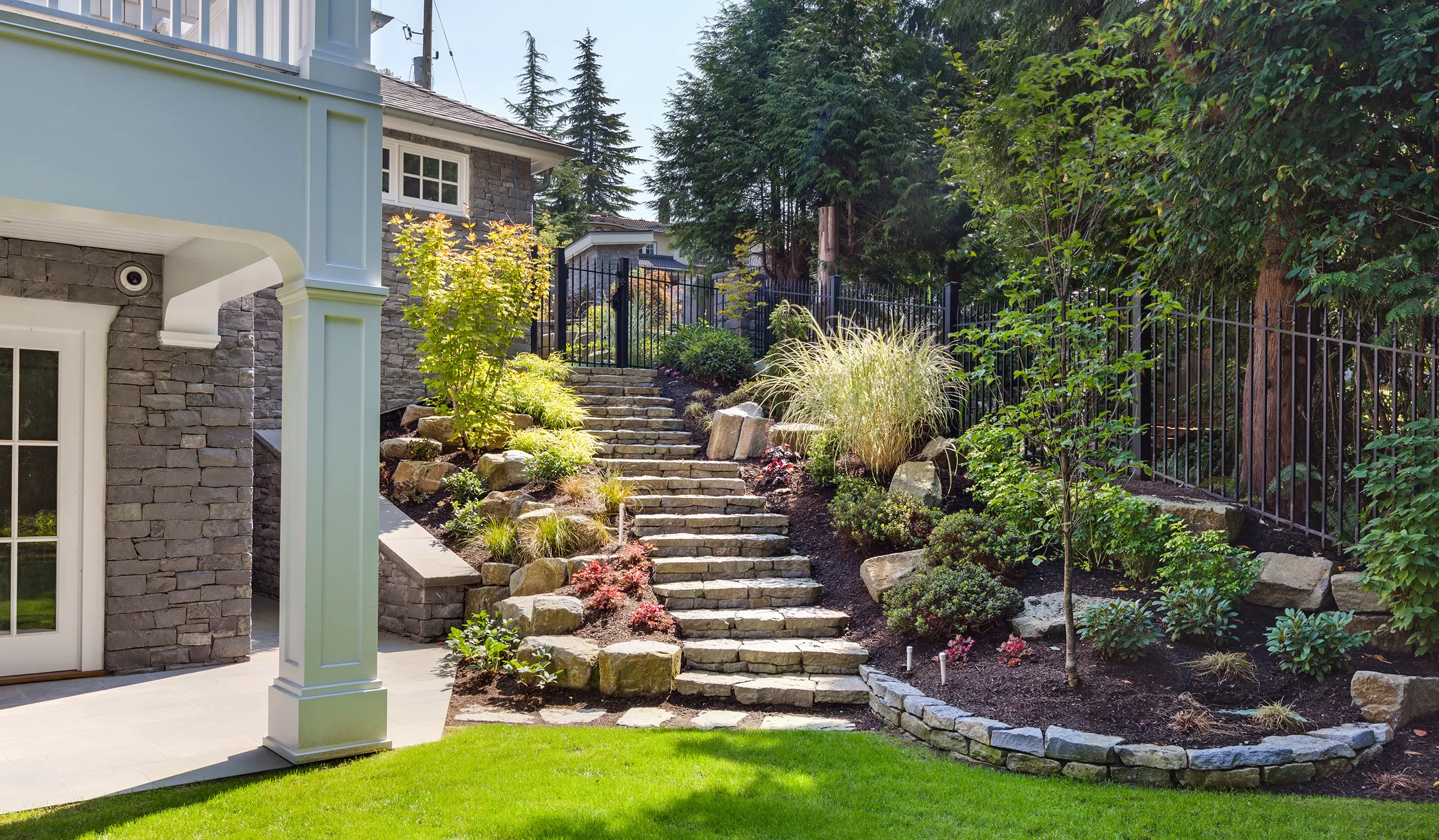
Plan clear routes through the landscape and natural transitions between different garden areas.
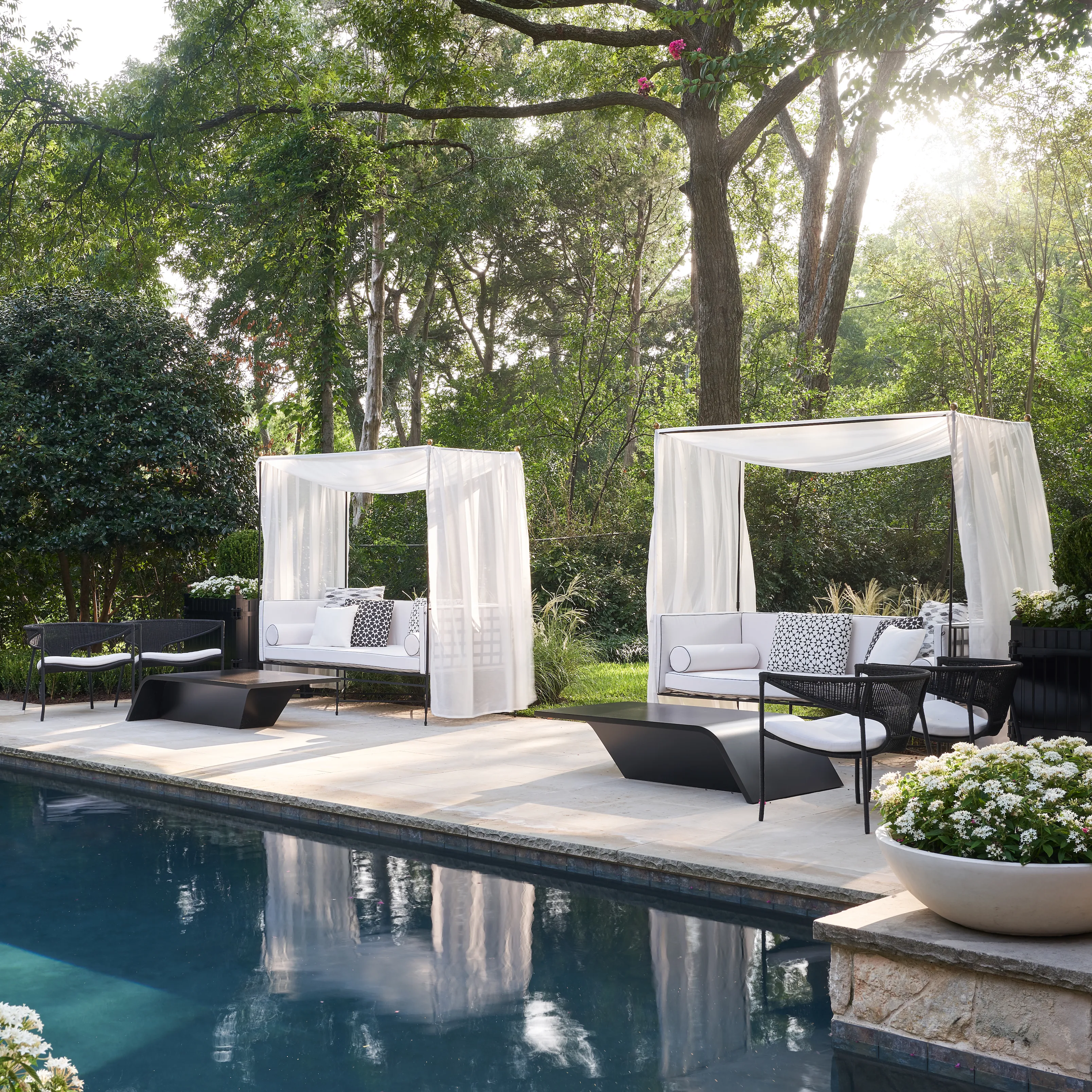
Consider comfortable places to sit, gather, relax or enjoy the garden throughout the day.
Account for existing trees, sunlight, drainage, slopes and other site characteristics when shaping the design.
Every stage is planned around your outdoor space, design preferences and long-term goals.
Tell us about your garden, yard, patio or property surroundings.
Highlight planting areas, walkways, seating zones and features you want to improve.
Discuss preferred plants, natural materials, color palettes and the overall atmosphere you want to create.
Choose a suitable date to discuss the site, scope and design possibilities.
Share relevant site information and identify existing features to preserve.
A final review helps confirm the layout, planting choices and finishing details.
Every property has its own character, from compact gardens to larger outdoor areas that need a more coordinated design.
A thoughtful combination of greenery, garden beds and accessible pathways can make outdoor spaces feel more inviting and easier to maintain.
Overgrown planting, disconnected garden zones and underused corners can be reconsidered to create a balanced outdoor composition.
Patios, seating areas, garden paths and planted borders can be planned together to support comfortable use and visual continuity.
Share your preferences for stone, timber, paving, plant varieties and finishes, along with any existing features you want to retain.
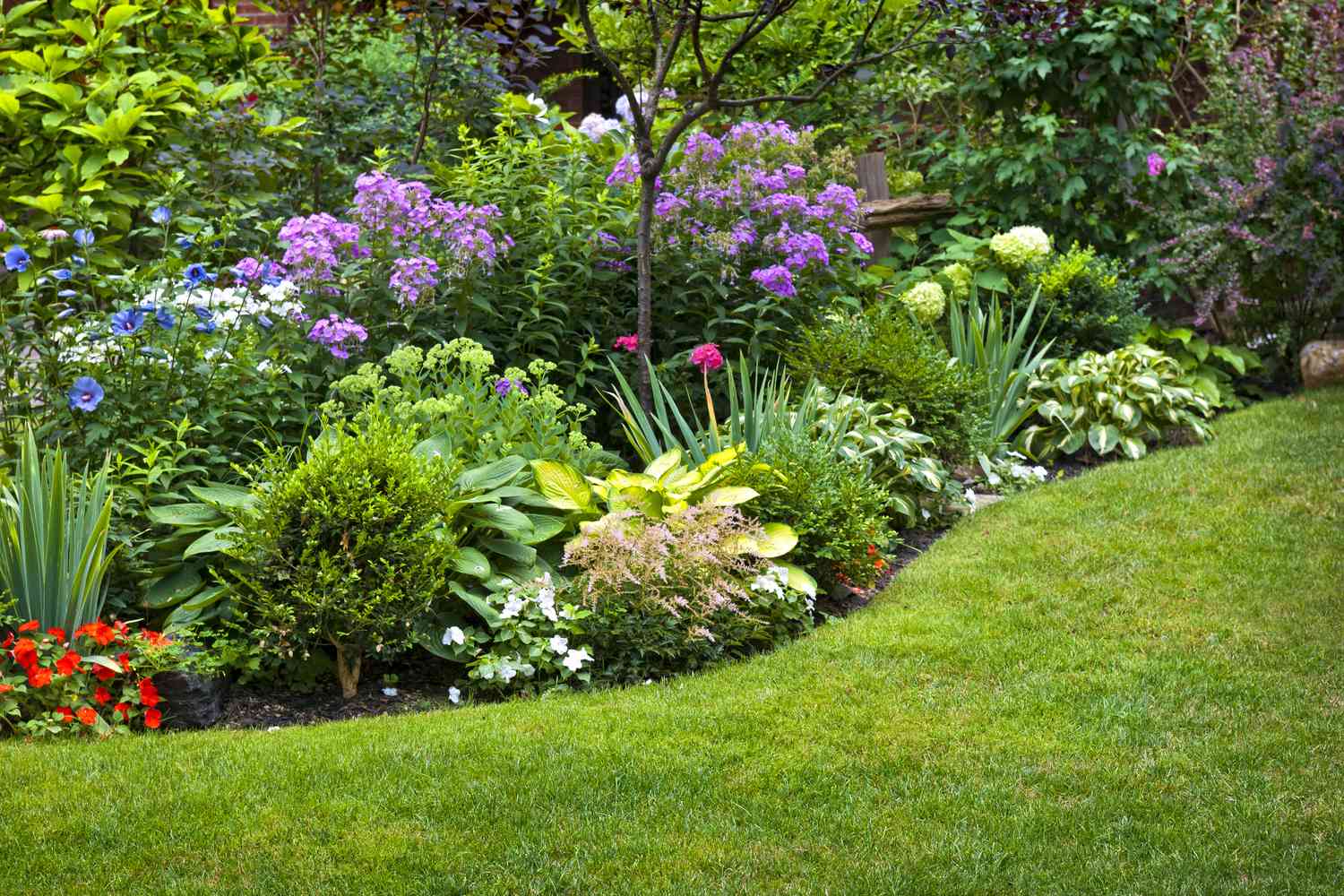
Note uneven pathways, unused corners, crowded planting beds and the outdoor features you would like to introduce or improve.
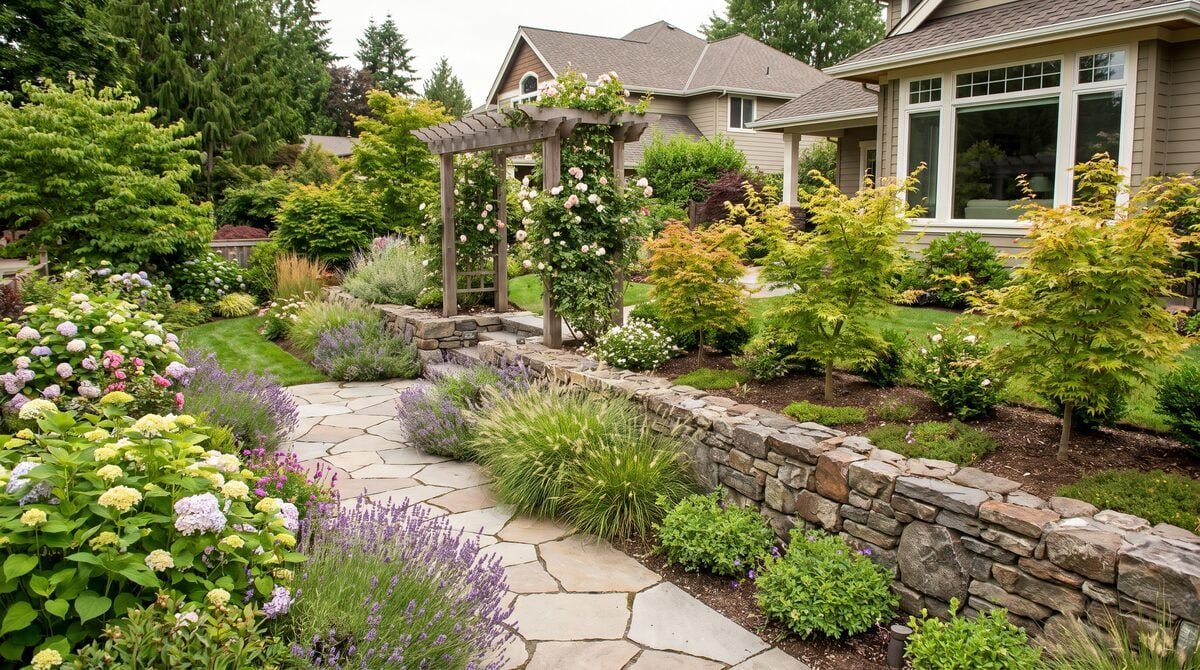
Regular attention to garden edges, walkways and growing plants helps preserve the landscape's overall appearance.
Keep notes on plant growth, changing shade and areas that may benefit from seasonal adjustments.
Call with a quick question or email us with a description of your property, the areas you want to improve and a few suitable dates for a consultation.